What Dealers Actually Look For When Buying Your Car
Dealers evaluate your car differently than private buyers. Here's exactly what they check — and how it affects their offer.
How Do Dealers Decide What to Offer for Your Car?
Dealers use a combination of market data, physical inspection, and vehicle history to determine an offer. Unlike private buyers who shop emotionally, dealers evaluate your car as inventory — a product they need to resell at a profit. Understanding their process helps you get a better deal.
The Vehicle History Report
This is the first thing any dealer checks — before they even look at the car. They're looking for:
- Accident history — Even minor fender benders show up. One accident typically reduces value by 10–15%. Multiple accidents can cut it by 30% or more.
- Title status — Clean title is expected. Salvage, rebuilt, or flood titles dramatically reduce value (often by 40–60%).
- Number of owners — Fewer is better. One-owner vehicles command a premium.
- Service records — Consistent maintenance history is a green flag. Gaps in service raise red flags.
What you can do: Pull your own Carfax or AutoCheck report before selling. Know what dealers will see so there are no surprises.
The Physical Inspection
Dealers look at your car differently than you do. Here's their checklist:
Exterior
- Paint condition — Scratches, chips, and fading are noted. Mismatched paint panels suggest bodywork.
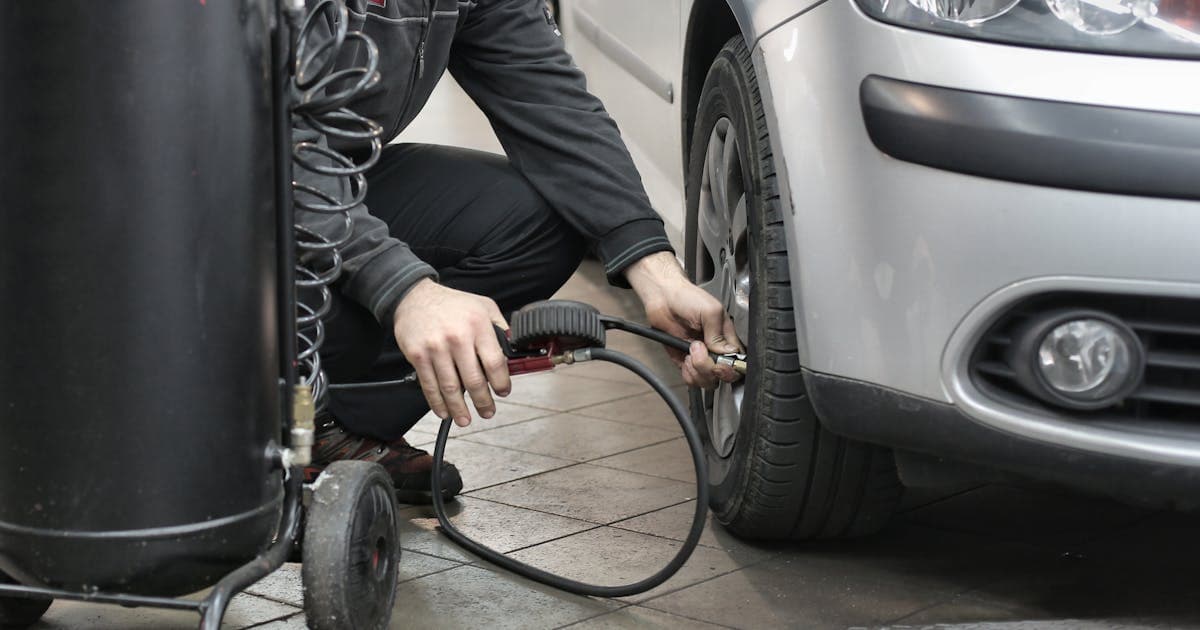
- Tire tread depth — Worn tires mean the dealer needs to invest $400–$800 before resale.
- Glass — Chips and cracks in the windshield reduce value by $200–$400.
- Body panel gaps — Uneven gaps between doors, hood, or trunk indicate prior collision repair.
Interior
- Seat condition — Rips, stains, and excessive wear are immediate deductions.
- Odor — Smoke smell is one of the biggest value killers. It costs $200–$500 to remediate and some buyers won't touch it.
- Dashboard warning lights — Any illuminated warning light signals a problem the dealer will need to diagnose and fix.
- Electronics — They'll test the infotainment system, backup camera, power windows, and A/C.
Mechanical
- Engine sound — Knocks, ticks, or rough idle suggest expensive problems.
- Transmission — Smooth shifting is critical. Hesitation or slipping is a deal-breaker for many dealers.
- Brakes — Squealing or grinding means the dealer is budgeting $300–$600 for replacement.
- Suspension — Clunks over bumps or uneven tire wear indicate worn components.
The Market Data
Dealers check what your exact vehicle is selling for in their market using tools like:
- Manheim auction data — Wholesale prices from dealer-only auctions
- vAuto or DealerSocket — Real-time market pricing based on local supply and demand
- Days-to-sell data — How quickly similar vehicles are moving off lots
A car that's in high demand locally (like a 4WD truck in a rural market) will get a stronger offer than the same car in a city where sedans dominate.
The Dealer's Math
Here's the formula dealers use mentally:
Expected retail price minus reconditioning costs minus profit margin equals your offer.
For example:
- Your car's retail value: $22,000
- Reconditioning (detail, tires, minor repairs): $1,200
- Dealer profit margin: $2,000–$3,000
- Your offer: $17,800–$18,800
This is why competing offers matter. When multiple dealers bid on your car, they compress their margins to win. Instead of building in $3,000 profit, they might accept $1,500 — which means an extra $1,500 in your pocket.
How to Maximize Your Dealer Offer
- Fix the cheap stuff — A $20 car wash and $50 detail can add hundreds to your offer. Don't invest in major repairs.
- Clear the warning lights — Get a diagnostic and fix anything minor before showing the car.
- Have your records ready — Maintenance receipts, the title, and a clean Carfax build confidence.
- Get multiple offers — One dealer will lowball you. Five dealers competing won't.
The single biggest thing you can do is create competition. Dealers know what your car is worth — the variable is how much margin they'll take for themselves.
Ready to see what your car is worth?
Get competing offers from local dealers — free, fast, no obligation.
Get Your Free Value Report